
Sustainable Building Practices and Eco-Friendly Options When Designing Your Home
December 19, 2024
Eco-Friendly Home Design & Building Practices
Designing a home isn’t just about creating a space that looks good, it’s also an opportunity to build in a way that’s kind to the environment. Choosing eco-friendly home design choices and building practices can help reduce your home’s environmental impact, save you money on energy costs, and create a healthier living space. To get you started, we’ve pulled together some ideas for building greener.
Choose Sustainable Materials
The materials you use can make a big difference. Look for options that are renewable, recycled, or sustainably sourced. For example:
- Bamboo flooring: A renewable alternative to hardwood.
- Reclaimed wood: Adds character while reducing waste.
- Recycled steel or concrete: Strong and durable without the need for new resources.
Not only are these materials better for the planet, but they often give your home a unique and stylish look.
Think About Energy Efficiency
An energy-efficient home is good for the environment and your wallet. Start with:
- Insulation: Proper insulation reduces heating and cooling costs.
- Windows: Double-glazed or energy-efficient windows help keep temperatures steady.
- Lighting: Switch to LED lights—they last longer and use less electricity.
You can also go big with solar panels or energy-efficient appliances to cut down on your home’s carbon footprint even more.
Make the Most of Natural Light and Ventilation
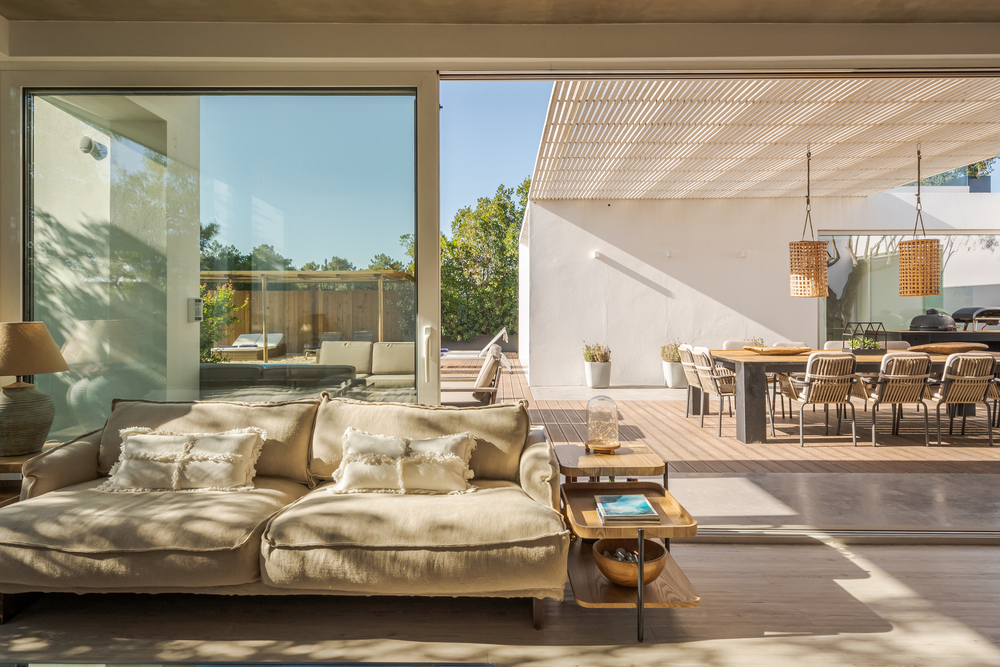
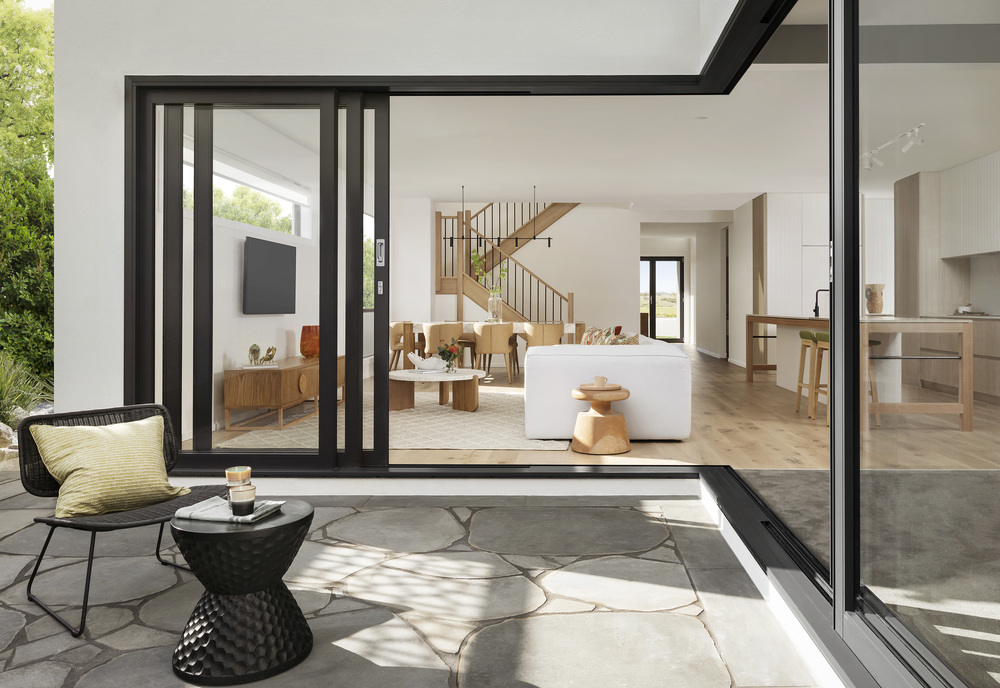
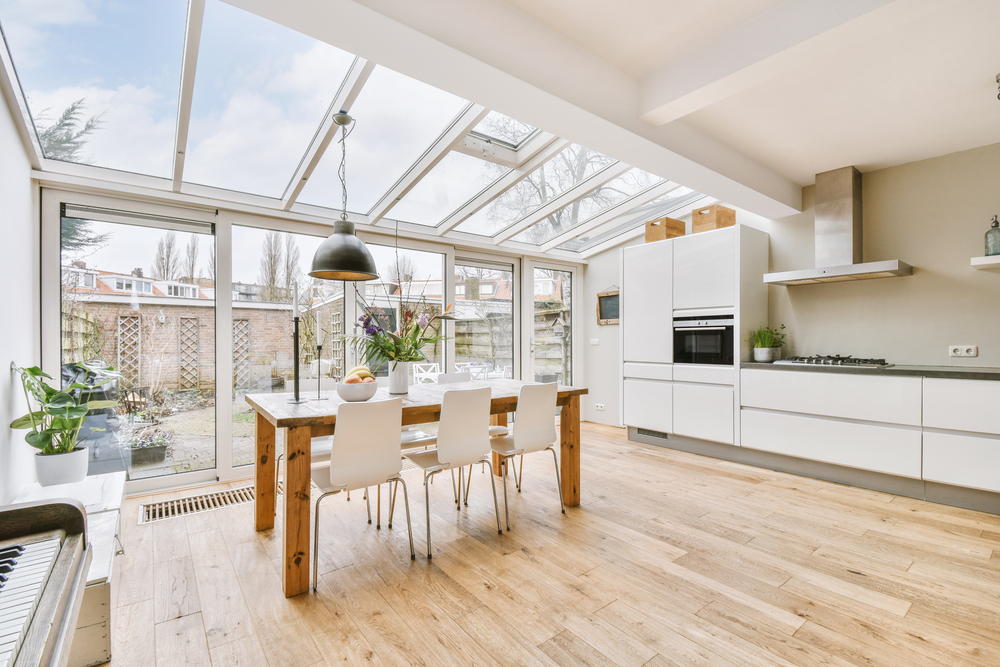
Design your home to take advantage of natural light and airflow. Large windows, skylights, and open layouts can reduce your need for artificial lighting and air conditioning. Placing windows to catch cross-breezes can keep your home cool without relying on energy-intensive systems.
Conserve Water
Water conservation is another key part of sustainable home design. Consider features like:
- Low-flow faucets and showerheads: Use less water without sacrificing performance.
- Rainwater tanks: Collect rainwater to use for gardening or even flushing toilets.
- Greywater systems: Recycle water from sinks, showers, and washing machines.
These additions help you save water and lower your utility bills.
Focus on Indoor Air Quality
A sustainable home isn’t just about energy and water—it’s also about creating a healthy space to live in. Choose non-toxic paints, finishes, and adhesives that don’t release harmful chemicals. Ventilation systems and air purifiers can also help keep the air in your home clean and fresh.
Plan for Long-Term Sustainability
Think about how your home can stay eco-friendly in the future. Using durable materials means less maintenance and fewer replacements over time. Designing flexible spaces that can adapt to your needs also reduces the likelihood of big renovations later on.
Work with a Team That Gets Sustainability
Choosing professionals who understand sustainable building is key. At Olive Works, we are happy to help you combine thoughtful eco-friendly home design with sustainable construction practices. From selecting green materials to optimising your home’s energy efficiency, we can help you create a space that’s as kind to the planet as it is comfortable for you.
In Conclusion
Building sustainably doesn’t mean compromising on style or comfort – it’s about making choices that work for you and the planet. With the right materials, energy-efficient features, and a team like Olive Works to guide you, you can create a beautiful, functional, and eco-friendly home design built with sustainable practises as well. Get in touch with us to start your design process.