
The Biophilic Design Concept: Bringing Nature Indoors
March 7, 2025
The Biophilic Design Concept: Bringing Nature Indoors
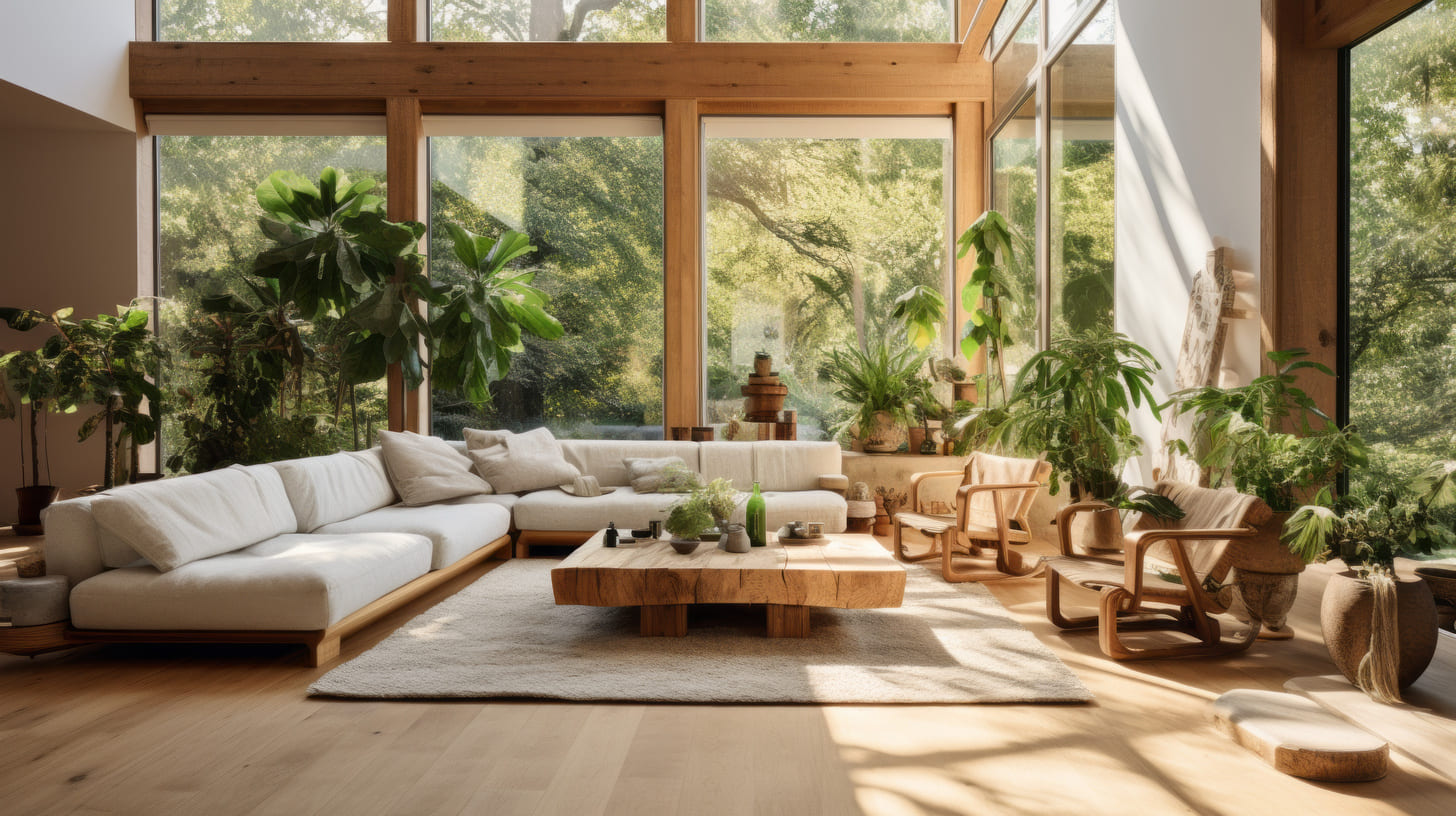
Let’s face it, life can feel a little too fast-paced sometimes. Between our phone addictions and packed schedules it’s easy to feel disconnected from nature, especially in a city like Johannesburg. But what if your home could be a little escape from all that? That’s where biophilic design in architecture comes in. It’s all about bringing the outdoors inside, and creating spaces that feel alive, calming, and deeply connected to nature.
Think of it as more than just adding a few houseplants (though that’s a great start!). Biophilic design is about creating a home that makes you feel like you’re actually in nature, even when you’re in the middle of a concrete jungle. Whether you’re building a new home, renovating, or just looking for ways to refresh your space, biophilic design might be a good concept to explore.
What Exactly is Biophilic Design?
The term “biophilia” might sound a little fancy, but it’s really just a way of saying humans have a natural love for nature. We’re hardwired to crave a connection with the natural world, and biophilic design takes that idea and uses it to create spaces that feel harmonious and inviting.
But it’s not just about throwing a couple of potted plants in the corner. Biophilic design is about creating a whole experience – think natural light, earthy materials, and even the sound of water trickling in the background. It’s about making your home feel like a breath of fresh air.
Why Go Biophilic?
Well, aside from making your home look amazing, it comes with some serious benefits:
- It’s a Mood Booster: Studies show that being around natural elements can reduce stress, anxiety, and even depression.
- Hello, Productivity: If you work from home or have a creative hobby, biophilic design can help. Natural light, greenery, and organic materials have been shown to boost focus and creativity.
- Breathe Easier: Adding plants and improving airflow can make your home’s air quality way better. Who doesn’t love a little extra oxygen?
- Save on Energy Bills: Big windows for natural light, smart ventilation, and sustainable materials can help cut down on energy use. Good for your wallet and good for the planet.
- Boost Your Home’s Value: Homes with biophilic elements are becoming more popular, so it’s a smart move if you’re thinking about resale value down the line.
How to Incorporate Biophilic Design in Architecture?
Here are some easy (and not-so-easy) ways to get started:
- Let There Be Light
Natural light is a game-changer. Big windows, skylights, and open layouts can flood your home with sunlight, making it feel brighter and more spacious. Plus, it’s a sustainable building practise and a great way to cut down on artificial lighting.
- Go Green (Literally)
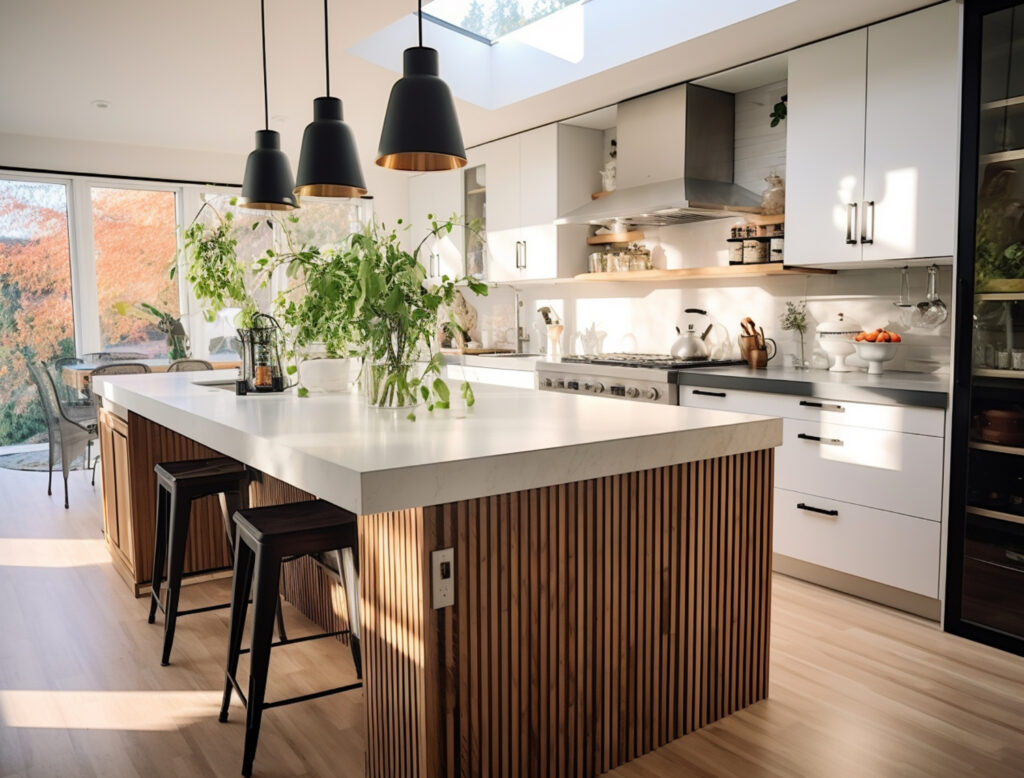
Plants are the easiest way to bring nature indoors. Whether it’s a leafy-green in the corner, a vertical garden on the wall, or a few succulents on the windowsill, greenery can transform a room.
- Use Natural Materials
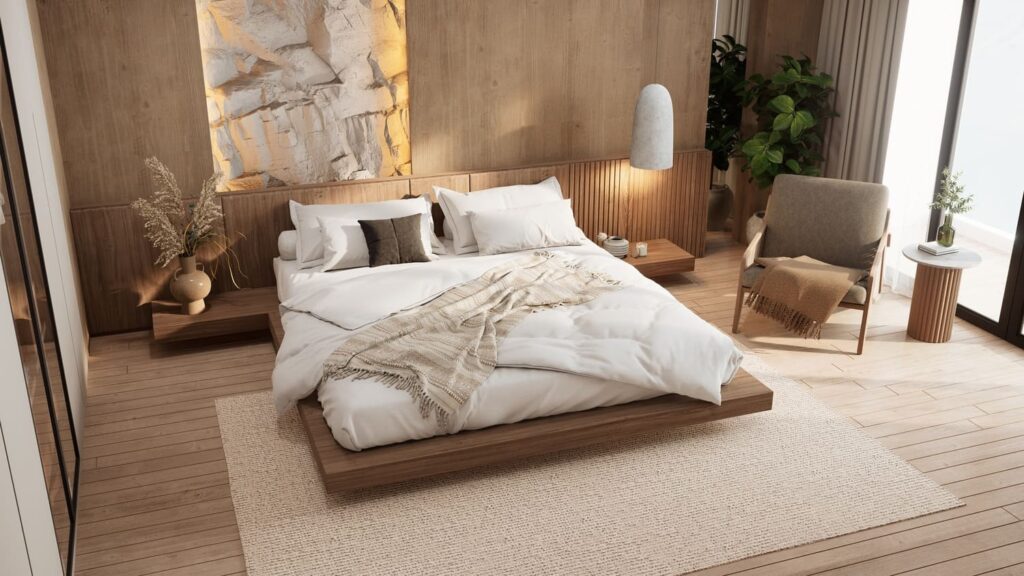
Swap out synthetic materials for things like wood, stone, bamboo, or clay. These add warmth and texture, making your home feel cozier and more grounded.
- Stick to Nature’s Colour Palette
Earthy tones, soft greens, blues, and neutrals can make your space feel calm and inviting. Think of colours you’d find in a forest, by the ocean, or in a desert landscape.
- Add a Water Feature
There’s something so soothing about the sound of water. A small indoor fountain or even a tabletop water feature can add a relaxing feeling to your home.
- Frame the View
If you’re lucky enough to have a great view, make the most of it! Large windows or glass doors can blur the line between inside and outside, making your home feel more connected to nature.
- Play with Shapes and Patterns
Nature isn’t all straight lines and perfect angles. Incorporate curves, arches, and organic patterns into your furniture, decor, and architecture to mimic the beauty of nature.
Smaller Biophilic Touches
Not ready for a full-blown renovation? No problem. Here are some small biophilic touches you can add to your home:
- Add a Few Plants: Start with low-maintenance options like pothos, snake plants, or succulents.
- Switch Up Your Decor: Incorporate natural textures like jute rugs, wooden furniture, or stone accents.
- Let the Light In: Swap heavy curtains for lighter ones or sheer fabrics to maximize natural light.
- Bring in Nature-Inspired Art: Think landscapes, botanical prints, or even abstract pieces that evoke natural elements.
Final Thoughts
Biophilic design isn’t just a trend, it’s a way to create a home that feels good to live in. By bringing nature indoors, you’re not just making your space look better; you’re creating an environment that supports your well-being. Whether you’re going all-in with a full redesign or just making a few small changes, there’s no wrong way to embrace biophilic design.
So, why not give it a try? Your home (and your mind) will thank you.